Left Behind at the Lease: A Step-by-Step Protocol for Retrieving Data From Property You Can No Longer Reach
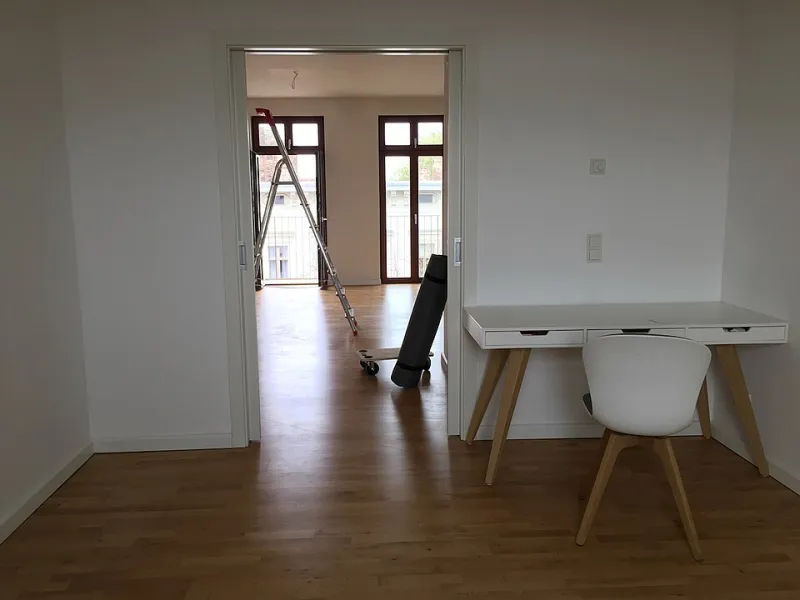
Photo: SmashingIt99, CC0, via Wikimedia Commons
Evictions, abrupt lease terminations, and storage-unit disputes happen under time pressure, and it is almost always the bulky, forgettable hardware that gets left behind — the modem blinking in the corner, the NAS humming in the closet, the external drive in a desk drawer. For the people involved, the immediate crisis is housing. The secondary crisis, which surfaces days later, is that years of records, photographs, and business files are sitting in a building they cannot legally enter.
This protocol is ordered by urgency. Work through it in sequence.
Step 1: Inventory What Was Left, in Writing
Before anything else, reconstruct a precise list: device models, serial numbers where remembered, and what data each likely holds. Photograph any emails, texts, or move-out checklists referencing the equipment. This inventory serves two purposes — it guides technical recovery decisions, and it becomes the evidentiary backbone if the dispute escalates to small-claims court.
Step 2: Test Every Remote Door
Left-behind network hardware is not necessarily unreachable.
- Cloud-synced data: Check Google Drive, iCloud, OneDrive, Dropbox, and any backup service before anything else. A laptop left behind may matter far less than its sync folder suggests.
- NAS remote access: Synology QuickConnect, QNAP CloudLink, and similar services often remain active if the device still has power and internet. Log in from anywhere and download critical shares.
- Router-attached storage: Many consumer routers offer FTP or USB drive sharing that can be reached if you know the credentials.
- Remote desktop: Any always-on computer with remote access enabled may allow a full copy of its drive to a cloud destination.
Act quickly. Once a landlord powers devices down or a storage unit changes status, remote options end.
Step 3: Understand the Landlord's Actual Obligations
State law governs abandoned property, and it varies considerably. In most jurisdictions, a landlord must store tenant property for a statutory period — often 14 to 30 days — provide notice, and allow retrieval, sometimes conditioned on payment of moving and storage costs. California, for example, requires notice and civil procedure before disposal; other states are less protective. Storage facilities operate under lien laws that permit auction after a notice period, but typically require advance written warning.
Request retrieval access in writing — email, not a phone call — citing the specific statute in your state if you know it. A calm, documented request resolves the majority of these disputes without lawyers.
Step 4: Escalate With Paper, Not Anger
If the landlord refuses: send a formal demand letter, file in small claims court (where the filing fee is modest and attorneys are unnecessary), or request a police civil standby — many departments will accompany you to retrieve personal property during a scheduled, peaceful pickup. Never attempt self-help entry; it converts you from creditor to trespasser in the eyes of a judge.
Step 5: When the Hardware Comes Home Damaged — or Never Does
Drives that sat in a hot garage or damp unit may need professional recovery; do not power them repeatedly to 'test' them. And if the device is truly gone, your position is not hopeless: cloud account history, email attachments, and even the data your devices quietly uploaded before the cutoff may hold substantial recoverable material.
Prevention for the Next Move
Build a 'grab box' as standard moving practice: all external drives, the NAS's most critical shares pre-copied to a portable SSD, and a printed list of cloud credentials. Photograph every device and serial number the week you sign a lease. Most importantly, treat cloud backup not as a convenience but as insurance against exactly this scenario — because the data you can reach from anywhere is the data no landlord can hold hostage.