When Your Digital Fortune Vanishes: A Practical Recovery Guide for Lost Cryptocurrency Access
For millions of Americans who hold cryptocurrency, the assets exist in a category unlike any other. There is no customer service hotline that can verify your identity and restore your account. There is no FDIC protection. There is no branch manager to speak with on a Monday morning. When access is lost — whether through a forgotten password, a corrupted wallet file, or a malfunctioning hardware device — the path forward is narrow, technical, and time-sensitive.
Understanding what is genuinely recoverable, and what is not, is the first and most important step you can take.
The Four Most Common Scenarios That Strand Cryptocurrency Holders
Not all access failures are created equal. The recovery approach depends almost entirely on the specific nature of the failure. Before pursuing any course of action, it is essential to correctly identify which scenario applies to your situation.
Forgotten wallet passwords or passphrases represent the most common problem. Software wallets such as Electrum, Exodus, or MetaMask encrypt the wallet file using a password you set at creation. If that password is lost but the wallet file itself remains intact, recovery is technically feasible — provided you retain partial knowledge of the password. Brute-force and dictionary-based recovery tools exist specifically for this purpose, and professional services specialize in this type of case. The more you remember about your original password structure, the higher the probability of success.
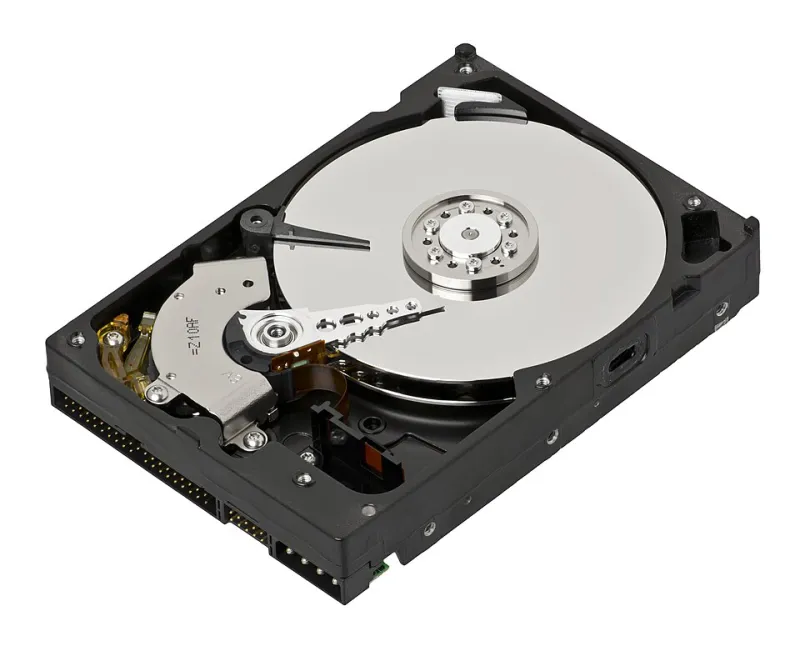
Corrupted or damaged wallet files present a different challenge. A wallet file is, at its core, a data file — and data files are subject to the same corruption risks as any other file on your system. Drive failures, interrupted writes, and software errors can all render a wallet file unreadable. In many cases, standard data recovery techniques can restore a damaged wallet file, particularly if the underlying storage device has not been overwritten. This is a scenario where professional data recovery services with cryptocurrency expertise can provide genuine value.
Exchange account lockouts are structurally different from wallet-based problems. Centralized exchanges such as Coinbase, Kraken, or Gemini hold your assets on your behalf, meaning the recovery process runs through their customer support infrastructure. Common triggers include lost two-factor authentication access, outdated email addresses, or identity verification failures. In these situations, the assets themselves are not in jeopardy — your access to them is. The path forward involves working directly with the exchange's account recovery team and providing sufficient identity documentation to satisfy their verification requirements.
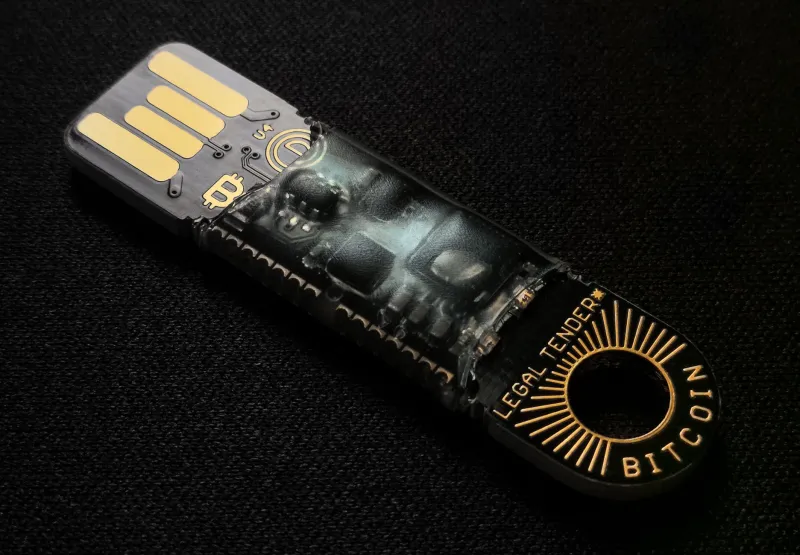
Hardware wallet failures occupy a category of their own. Devices such as the Ledger Nano or Trezor are designed with a critical safeguard: the seed phrase. If your hardware wallet malfunctions, is lost, or is physically damaged, the seed phrase — typically a 12 or 24-word recovery phrase — is the mechanism by which your assets can be restored on a new device. If you have the seed phrase, recovery is straightforward. If you do not, the situation becomes significantly more complex, though not always hopeless depending on the nature of the device failure.
What Professional Recovery Services Can — and Cannot — Do
The cryptocurrency recovery industry has grown substantially alongside the asset class itself, and with that growth has come a significant number of fraudulent operators. Before engaging any recovery service, due diligence is not optional — it is essential.
Legitimate professional services can assist with several specific scenarios. Password recovery specialists use computational techniques to reconstruct forgotten passwords when partial information is available. Data recovery professionals can attempt to restore corrupted or damaged wallet files from failing or failed storage media. In some hardware wallet failure cases, forensic analysis of the device may yield recoverable key material.
What no legitimate service can do is recover assets when the private key or seed phrase is genuinely and completely unknown, and no wallet file exists to work from. The cryptographic architecture of blockchain technology is designed to make this impossible. Any service claiming otherwise — particularly those requesting upfront fees in the thousands of dollars with guaranteed results — should be treated as a scam. The Federal Trade Commission has issued repeated warnings about cryptocurrency recovery fraud, and the number of secondary victims who lose additional funds to fraudulent recovery operators is substantial.
Immediate Steps to Take When You Realize Access Is Lost
Time and deliberate action matter in cryptocurrency recovery, much as they do in any data loss situation. The following sequence is recommended for anyone who has just discovered an access problem.
First, stop and document everything you know. Write down every detail about the wallet software, the device it was stored on, any passwords you may have used, and when you last successfully accessed the account. This information is critical for any recovery attempt, whether you pursue it independently or with professional assistance.
Second, do not attempt repeated password guesses on an encrypted wallet file without understanding the consequences. Some wallet software implements lockout mechanisms or — in extreme cases — wipe functionality after a defined number of failed attempts. Research the specific behavior of your wallet software before proceeding.
Third, check all possible backup locations. Seed phrases are often written on paper and stored in locations that are later forgotten. Check safes, filing cabinets, safe deposit boxes, and any physical notebooks used around the time the wallet was created. Cloud storage accounts, email drafts, and encrypted notes applications are also worth examining for any saved recovery information.
Fourth, if a storage device is involved, stop using it immediately. If your wallet file resided on a hard drive or SSD that has since failed, any continued use of that device reduces the probability of successful data recovery. Power it down and consult a professional before taking further action.
The Permanent Loss Threshold
One of the most difficult realities in cryptocurrency recovery is acknowledging when assets are permanently beyond reach. If a seed phrase was never recorded, if a wallet file no longer exists anywhere, and if the password cannot be reconstructed through any reasonable means, the assets are cryptographically inaccessible. No technology, no service, and no legal mechanism can override the mathematical foundations of blockchain encryption.
This is not a comfortable conclusion, but it is an honest one. Pursuing fraudulent recovery services in this scenario will not recover the assets — it will only compound the loss.
Building Forward: Recovery-Aware Asset Management
For those who successfully regain access, and for those who have not yet experienced a loss event, the lessons of cryptocurrency recovery failures point toward a clear set of protective practices. Seed phrases should be recorded in physical form and stored in at least two geographically separate secure locations. Hardware wallet devices should be tested periodically to confirm functionality. Exchange account recovery information, including backup authentication codes, should be stored securely and updated whenever contact information changes.
Cryptocurrency's promise of financial sovereignty comes with a corresponding responsibility for personal data management. The infrastructure that makes these assets resistant to seizure and censorship is the same infrastructure that makes recovery difficult when access is lost. Treating your recovery credentials with the same seriousness as the assets themselves is not overcaution — it is the foundational discipline that determines whether your digital holdings remain accessible when it matters most.